
My name is Jason Lee., and I’ve spent years inspecting duct systems across Orlando. One thing I notice constantly is that homeowners overlook their HVAC plenum completely. Most people don’t even know it exists until something goes wrong. This box-shaped component sits right at the heart of your heating and cooling setup. It controls how conditioned airflow reaches every room in your home. Understanding this piece can save you money and headaches down the road. Let me walk you through everything you need to know.
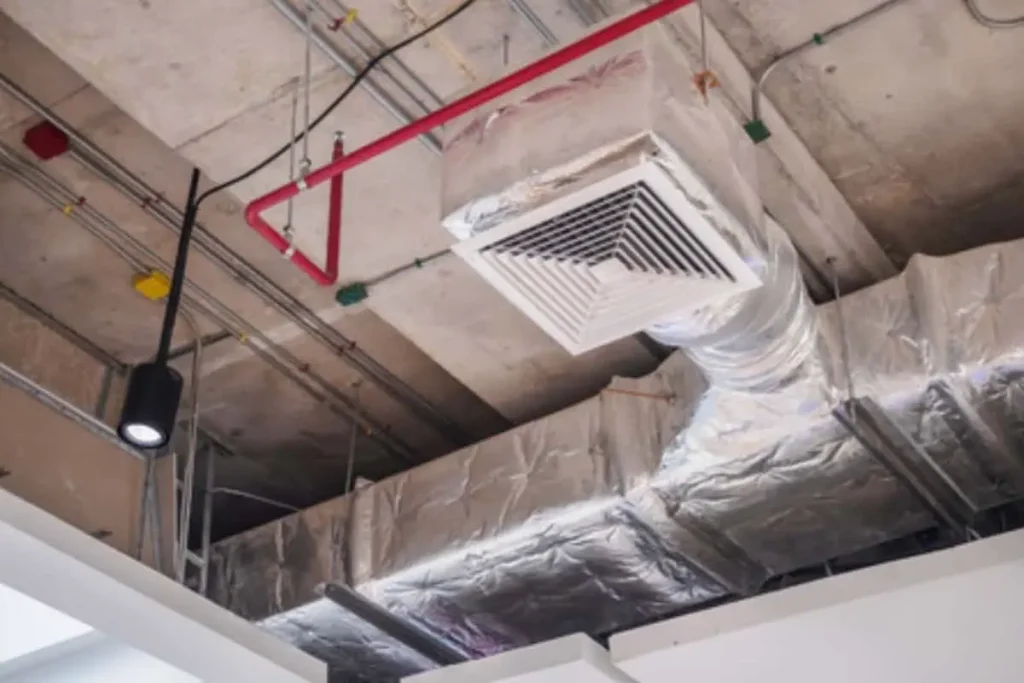
What Is an HVAC Plenum and Why Does It Matter?
Think of your HVAC plenum as the central hub of your entire system. It’s a metal box that connects directly to your furnace or conditioner unit. From there, all your ducts branch out like roads from a highway. Every bit of heated or cooled airflow passes through this component first.
I’ve seen homeowners ignore their HVAC plenum for years. Then they wonder why some rooms feel stuffy while others stay cold. The problem usually starts right here at the source. When this component gets damaged or dirty, your whole system struggles.
During inspections, I always check for gaps or loose connections at this junction point. Even a small leak here wastes energy and costs you money monthly. Your HVAC plenum is literally the foundation of comfortable indoor temperatures.
Two Types of Plenums in Your Heating and Cooling System
Your heating and cooling setup actually has two main distribution boxes working together. Understanding both helps you troubleshoot problems faster. Each one serves a different purpose in the overall cycle.
The Supply Plenum Box Explained
The supply box sits on the output side of your unit. It receives all the conditioned airflow after heating or cooling happens. Then it distributes that comfort throughout your home via supply ducts.
I always tell customers to feel their supply vents first when troubleshooting. If airflow seems weak, the box might have issues. Common problems include disconnected flex lines or collapsed sections. A properly sealed box makes a noticeable difference in performance.
Understanding Return Air Ducts
Return ducts pull stale indoor atmosphere back to your unit for reconditioning. The return plenum collects everything before it enters the system again. This creates a continuous loop that keeps your home comfortable.
Most homes have fewer return vents than supply vents. That’s normal, but sizing matters here. I’ve fixed countless efficiency problems just by addressing undersized return ducts. When return airflow gets restricted, your unit works overtime for no reason.

How Your HVAC Plenum Affects Efficiency
Your HVAC plenum directly impacts how hard your system works every day. A well-designed and sealed component means better efficiency across the board. Poor connections mean wasted energy and higher bills.
During my inspections, I use a manometer to measure static pressure. This tells me exactly how freely airflow moves through the system. High readings often point to blockages or design flaws. Most homeowners never realize their HVAC plenum is costing them money until I show them the numbers.
Here’s what affects efficiency most:
- Proper sealing with mastic rather than basic tape
- Correct sizing matched to your unit's capacity
- Smooth interior surfaces that reduce turbulence
- Insulation in unconditioned spaces like attics
- Regular cleaning to prevent buildup
I recently worked on a home where the previous installer used the wrong size plenum. The homeowner paid 30% more on cooling bills for years. Fixing this one component dropped their costs immediately.
Sheet Metal and Installing Your Duct System
When installing your duct system, material choice matters more than most people realize. Sheet metal remains the gold standard for plenum construction. It handles temperature changes without warping or degrading.
I prefer 26-gauge galvanized sheet metal for most residential jobs. Anything thinner tends to pop and bang during temperature swings. Homeowners call about those noises constantly, thinking something is broken.
Proper installation requires sealed seams and secure connections throughout. I use foil-faced mastic tape on all joints, then seal with duct mastic paste. This two-step method prevents leaks far better than tape alone.
The angle of takeoffs from your plenum also affects performance significantly. Gradual transitions reduce turbulence and noise. Sharp angles create whistling sounds and restrict flow.
Florida Regulations for Your AC and HVAC System
Orlando falls under specific Florida building codes for all HVAC installations. These regulations protect homeowners and ensure systems work safely. Ignoring them leads to failed inspections and potential fines.
- Florida Building Code, Mechanical (2023) – Requires proper duct sealing and insulation standards. Consequences: failed inspections and mandatory corrections.
- Florida Energy Conservation Code – Mandates minimum efficiency levels for all new installations. Consequences: permit denials and system replacement costs.
- EPA Refrigerant Regulations – Controls handling of refrigerants in AC systems. Consequences: significant fines for improper disposal.
Florida’s humidity makes proper installation even more critical here. Condensation inside poorly insulated ductwork causes mold growth fast. I always recommend R-8 insulation minimum for any plenum in unconditioned spaces.
Signs You Need to Install a Plenum or Call for Service
Certain warning signs tell you when your HVAC plenum needs attention. Catching these early prevents bigger repairs later. I’ve learned to spot them quickly during routine inspections.
Uneven temperatures between rooms often point here first. If your bedroom stays warm while your living room freezes, check your ductwork connections. Visible rust or corrosion on the plenum box means moisture problems exist.
Strange noises during startup usually indicate loose connections somewhere. That popping or banging sound comes from metal expanding unevenly. Whistling suggests gaps or holes that need sealing immediately.
Higher than normal energy bills deserve investigation too. Your system shouldn’t work harder than necessary. A compromised HVAC plenum forces everything else to compensate constantly.
Keep Your HVAC Plenum Running Strong
Your HVAC plenum deserves the same attention as any other major component. Regular inspections catch small problems before they become expensive repairs. I recommend professional checkups at least once yearly.
Between visits, change your filters monthly during heavy use seasons. Dirty filters increase static pressure throughout the entire system. That extra strain shortens equipment life and wastes energy.
Keep supply and return vents clear of furniture and drapes. Blocked vents throw off the pressure balance your system needs. Your HVAC plenum works best when airflow moves freely everywhere.
Understanding these basics helps you communicate better with technicians too. You’ll know what questions to ask and what answers make sense. That knowledge protects you from unnecessary upsells and keeps your home comfortable year-round.
Frequently Asked Questions
What is the difference between a plenum and a duct?
Your HVAC plenum is the main distribution box connected directly to your unit. Ducts are the smaller channels that branch off from this central point. Think of the plenum as the trunk and ducts as the branches. The plenum handles all airflow at once before splitting it into individual pathways throughout your home.
How often should I have my HVAC plenum inspected?
I recommend having your HVAC plenum checked during annual maintenance visits. Technicians should examine seals, connections, and insulation condition each time. If you notice performance changes between visits, schedule an inspection sooner. Catching small leaks early prevents wasted energy and bigger repair bills later.
Can a damaged plenum affect my energy bills?
Absolutely. A compromised HVAC plenum leaks conditioned airflow into unconditioned spaces like your attic. Your system then runs longer trying to reach the thermostat setting. I’ve seen bills drop 20-30% after sealing plenum leaks properly. This fix often pays for itself within one cooling season.
What materials work best for plenum construction?
Galvanized sheet metal remains the industry standard for residential HVAC plenum construction. It resists corrosion and handles temperature changes well. Some contractors use ductboard or fiberglass, but metal lasts longer. Always ensure whatever material gets used meets local building code requirements for fire safety.
Should I insulate my plenum box?
Yes, especially here in Florida where attic temperatures get extreme. An uninsulated HVAC plenum in your attic loses cooling efficiency rapidly. I recommend minimum R-8 insulation wrapped completely around the unit. This prevents condensation too, which causes mold and corrosion problems over time.