
How Often Should You Clean Air Ducts? Expert Maintenance Schedule Tips
March 19, 2026
- By
- Winter Park Air Duct Cleaning
- HVAC & Indoor Air Quality Experts
Many homeowners assume air ducts only need attention when airflow slows or dust becomes visible. At Winter Park Air Duct Cleaning, we’ve been helping clients with professional Air Duct Cleaning for years. We’ve noticed that this misconception often leads to avoidable issues – from poor indoor air quality to higher utility bills. Our team has seen how neglected ducts affect both health and system efficiency. One client called us after noticing persistent dust despite regular cleaning; the cause was a duct system loaded with debris that hadn’t been cleaned in years. Ignoring duct maintenance can introduce allergens, mold spores, and bacteria into the air you breathe. The National Air Duct Cleaners Association (NADCA) notes that proactive cleaning supports both energy performance and occupant health. Learn more about indoor air quality assessments and how often you should plan this essential service.
Why certified procedures and proper tools make all the difference.
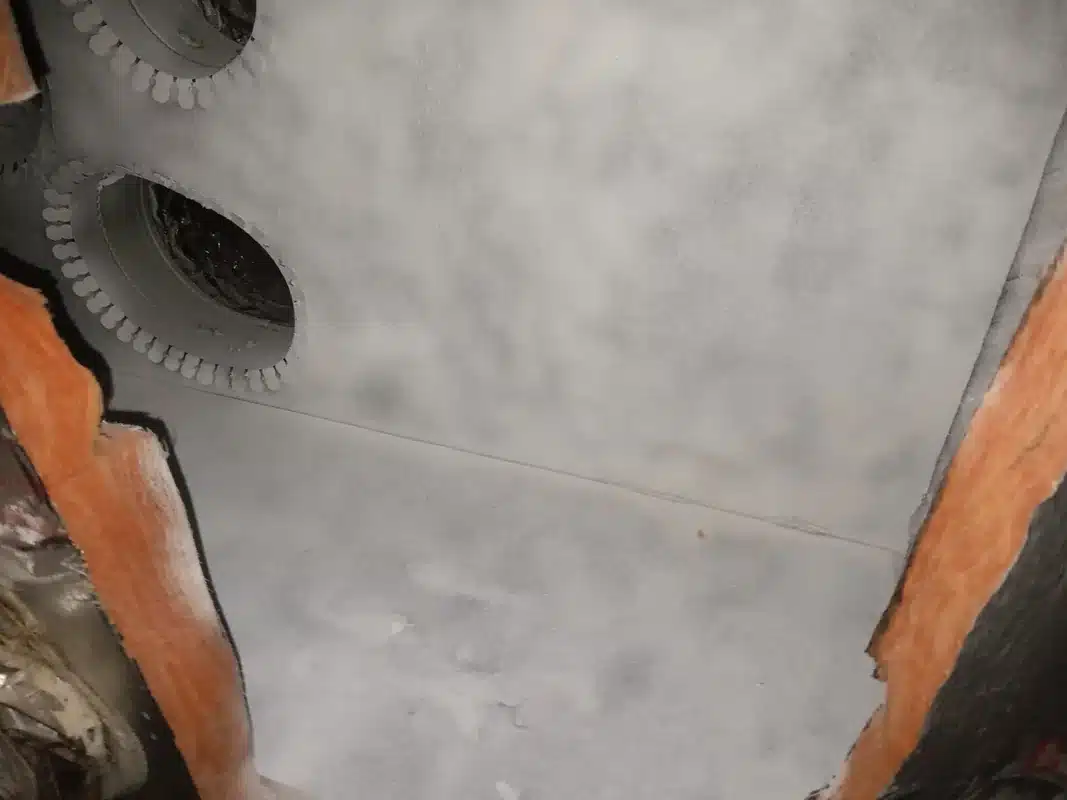
Local expertise plays a central role in professional air duct cleaning because every community’s environment, climate, and building design create unique air quality challenges. A local team understands the seasonal shifts in humidity, pollen, and dust levels that influence how contaminants accumulate inside ductwork. They recognize the types of debris commonly found in homes and businesses within the area and adjust their cleaning approach accordingly. This insight allows them to choose the right equipment, cleaning agents, and protective measures for long-term results rather than using a generic one-size-fits-all process. Certified technicians who live and work nearby know how local construction materials, HVAC system models, and insulation types affect airflow efficiency and contamination points. They can spot problems early, such as mold growth from frequent coastal moisture or fine particulate buildup from regional industry. A knowledgeable company combines technical training with local awareness to deliver cleaning that meets NADCA and ASHRAE standards while also targeting the specific sources of indoor pollution found in your community. When residents search for trusted specialists, relying on locally trained professionals ensures quicker response times, consistent customer service, and accountability that national chains often overlook. This commitment to the area supports healthier homes and a stronger local economy. For detailed insight on neighborhood air quality improvements, visit our air duct cleaning services page to learn more. (228 words)

When to schedule cleaning, cost factors, and professional timing advice.
Regular air duct cleaning delivers direct benefits to the local community by improving indoor comfort, supporting better health, and helping property owners reduce long-term maintenance costs. In most homes and small businesses, ducts accumulate dust, pollen, and organic debris that circulate through the air each day. Cleaning them every three to five years – or more frequently in homes with pets, smokers, or allergy-sensitive occupants – helps maintain fresher air and reduces strain on the HVAC system. Local residents often notice immediate improvements in airflow and odor control after a professional service. Because many regional homes face seasonal humidity or frequent pollen exposure, the results of a well-timed cleaning can be dramatic: fewer allergy triggers, stabilized humidity levels, and more consistent temperatures from room to room. Another important advantage lies in energy efficiency. When ducts are clear of buildup, heating and cooling units operate with less resistance, lowering power consumption and promoting sustainable utility use within the local grid. Businesses and homeowners alike benefit from cleaner vents that extend equipment life and prevent costly breakdowns. Our technicians are locally based, so each appointment supports local employment and ensures faster response times for ongoing care. For a complete maintenance plan that complements duct cleaning and extends HVAC performance, explore our preventive HVAC maintenance guide for step-by-step recommendations and seasonal checklists.
Schedule a Professional Duct Assessment Today
Breathe cleaner, healthier air with professional duct service from Winter Park Air Duct Cleaning. Our trained specialists carefully inspect every vent, duct, and component to uncover hidden dust, mold, or debris before small issues become costly repairs. Using industry-leading methods that meet NADCA and EPA standards, we restore fresh airflow and energy efficiency to your entire HVAC system. Cleaner ducts mean fewer allergens, less strain on your equipment, and a safer home environment for your family. Do not wait until reduced performance or poor air quality affects your comfort. Schedule your expert inspection right now and experience the difference of a truly optimized system that keeps working its best all year long.

FAQs
How often should residential air ducts be cleaned?
Most residential air ducts typically need professional cleaning every three to five years, depending on how the home is used and the quality of indoor air. Several factors can shorten that time frame – such as owning shedding pets, smoking indoors, having high levels of humidity, or completing major remodeling or construction projects. Households situated near dirt roads, farms, or industrial areas are also more likely to experience faster dust accumulation. In addition, homes with inadequate filtration systems often benefit from more frequent maintenance. NADCA advises that homeowners schedule visual inspections of ductwork about every two years to determine if a deeper cleaning is necessary. If you notice excessive dust on supply vents, worsening allergy flare-ups, or weak airflow, it is wise to arrange cleaning promptly. Regular inspections promote healthier indoor air, greater system efficiency, and consistent comfort all year.
What are the main benefits of professional air duct cleaning?
Professional air duct cleaning is a detailed process that eliminates accumulated dust, pet dander, pollen, and microbial residue that standard filter replacements often fail to capture. Over time, these contaminants not only restrict airflow but also contribute to unpleasant odors and potential respiratory irritation. A professional cleaning service uses specialized tools and containment systems to remove debris safely without allowing particles to circulate back into the living area. As airflow improves, the HVAC system can operate at its intended capacity, reducing energy use and strain on critical components. Many homeowners report lower instances of allergy symptoms and a noticeable improvement in overall air freshness after service completion. By following NADCA and ASHRAE guidelines, technicians help preserve indoor air quality, extend equipment lifespan, and minimize future repair costs associated with blocked or inefficient ductwork.
How much does air duct cleaning usually cost?
Professional air duct cleaning expenses generally range from about $400 to $900 for a typical mid-sized home, although the final cost can differ considerably depending on several factors related to the property and the HVAC system. Pricing is primarily influenced by three core variables:
- System complexity, including the number of vents, returns, and duct branches that require access and cleaning
- Material type and equipment requirements, such as metal ducts, flexible ducts, or mixed systems that may involve different tools or cleaning agents
- The overall service scope, which can include sanitizing treatments, coil inspections, or filter replacement for optimal air quality
Can homeowners clean their ducts themselves?
Basic maintenance steps such as changing filters regularly, vacuuming registers, and checking returns for buildup can reduce visible dust accumulation, but these actions only address surface-level debris. Comprehensive air duct cleaning requires professional-grade tools, specific techniques, and safety protocols that go well beyond what standard household equipment can achieve. Certified technicians rely on high-powered negative pressure systems, flexible rotating brushes, and sealed HEPA filtration vacuums to dislodge and remove particles that cling to metal surfaces deep within the ductwork. When untrained homeowners use basic vacuums or compressed air, they risk releasing contaminants back into the home environment or damaging interior duct linings. The NADCA ACR Standard clearly defines proper cleaning as a process involving mechanical agitation combined with continuous containment. While routine DIY checks help maintain airflow, professional duct cleaning every few years provides verified cleanliness, better indoor air quality, improved system efficiency, and documented compliance with industry standards.
What signs indicate that duct cleaning is needed soon?
If you notice recurring issues with your indoor air quality, it may be signaling that your duct system requires inspection and cleaning. Several early warning signs help identify problems before they escalate into costly repairs. After a recent cleaning, if you still see a thin film of dust forming on vents within days, that often indicates residual buildup hidden deep inside the ductwork. Unusual or musty odors when the HVAC system starts running can also point to mold colonies or excess moisture trapped in the system. Reduced airflow from certain vents suggests obstruction, accumulation of debris, or even damage to interior linings. Allergy flare-ups or frequent respiratory discomfort among occupants frequently correspond with contaminants circulating through dirty ducts. Performing a flashlight inspection inside the vent openings can reveal visible dust, dark residue, or damp spots that require attention. Addressing these warning signs early allows professionals to clear blockages, restore proper air circulation, and prevent microbial spread into sensitive components such as coils and drip pans. Routine maintenance at these stages not only safeguards indoor air quality but also extends the overall lifespan and efficiency of your HVAC system.
What problems can occur if air ducts are not cleaned regularly?
When air ducts remain uncleaned for long periods, layers of particulate matter, dust mites, pollen, and microbial growth begin to accumulate on interior surfaces. This contamination gradually reduces airflow, increases resistance in the system, and can release allergens or unpleasant odors into occupied spaces. As a result, the HVAC equipment must operate under heavier loads, consuming more electricity and causing unnecessary wear on motors and blowers. Over an extended period, these conditions may shorten the overall service life of the unit while also increasing repair costs and maintenance frequency. In severe cases, accumulated debris can restrict airflow enough to lower heating and cooling efficiency by 15 to 25 percent. Industry groups such as NADCA and ASHRAE emphasize that indoor air quality is a vital health concern, particularly for children, seniors, or individuals with respiratory conditions. Allowing this buildup to persist can also conflict with certain manufacturer warranty requirements when airflow performance falls below specified levels. Scheduling routine inspections, professional cleanings, and filter replacements helps maintain consistent system efficiency, healthier indoor air, and lower long-term energy expenses. Regular attention to duct hygiene not only protects equipment but also supports a cleaner and more comfortable living or working environment.
How do I choose a reliable air duct cleaning company?
When selecting a professional air duct cleaning service, it is essential to choose a company that adheres to the NADCA ACR Standard and employs certified Air Systems Cleaning Specialists (ASCS). This certification demonstrates that the technicians are trained in the proper methods and safety procedures required for complete and responsible cleaning of HVAC systems. Always verify that the contractor holds current business licenses, carries adequate liability insurance, and can provide references from recent projects. A reputable company will perform an in-person inspection before quoting an estimate, since flat rates offered over the phone often signal a lack of professionalism. Be cautious if technicians skip pre and post cleaning photographs or rely solely on chemical sprays. Proper cleaning involves physical agitation, brushing, and vacuum extraction to remove debris effectively. Confirm that the provider uses HEPA-filtered negative air equipment, which prevents dust and contaminants from re-entering the living space. Finally, ask detailed questions about every step of the process, including containment procedures, documentation, and verification methods. This careful approach ensures that your chosen company safeguards both the integrity of the HVAC system and the quality of the indoor air your household breathes.
Is air duct cleaning ever an emergency service?
While duct cleaning is not usually considered an emergency service, certain situations require immediate attention to protect indoor air quality and overall system performance. Visible mold growth inside ductwork, evidence of rodents or insects, or particles and dust blowing from supply vents are all warning signs that professional inspection should not be delayed. These conditions can quickly spread contaminants throughout the building and place additional strain on the HVAC system. As a temporary measure, turn off the affected zone, replace all accessible air filters, and avoid running the system until a technician can evaluate it. Do not spray disinfectants, deodorizers, or cleaning agents into the vents, since these products can leave harmful residues or cause blockages. A qualified duct cleaning specialist can assess contamination sources, seal damaged sections, and restore safe reliable operation with minimal disruption.