

Should You Clean Air Ducts Before Selling Your House?
February 10, 2026
- By
- Michael Stevenson
- CEO
A homeowner once called me after a showing fell apart because buyers noticed a musty smell every time the HVAC system turned on. I’m Michael Stevenson, CEO at Crown Air Duct Cleaning, and after years of experience working with sellers and real estate professionals, I’ve learned that this problem almost always points back to neglected ductwork. Many sellers assume buyers won’t look past fresh paint and staging. In practice, home inspectors run the HVAC system, and buyers pay attention to odors, dust buildup, and allergy triggers. I’ve walked into homes that looked immaculate but had vents packed with construction debris from a past renovation. That kind of oversight can raise red flags during negotiations. If you’re already researching ductwork cleaning near me, you’re asking the right question at the right stage.
Professional standards that protect your sale
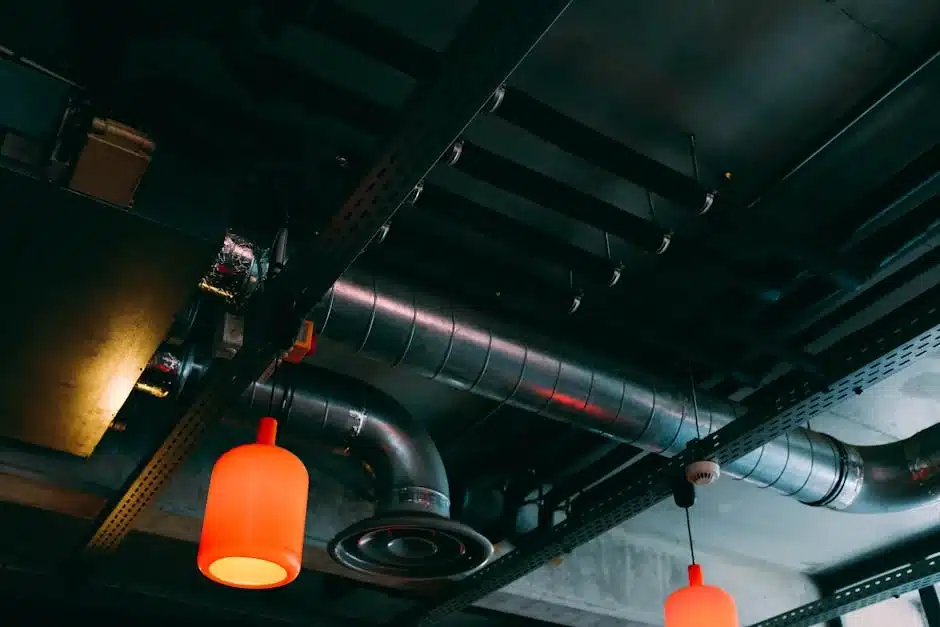
If you decide to move forward, the quality of service matters as much as the decision itself. I’ve seen rushed or incomplete cleanings do more harm than good by dislodging debris without fully removing it. Professional air duct cleaning should follow NADCA’s ACR Standard. That means the contractor cleans the entire HVAC system, not just the visible vents. In my experience, excellent service includes:
- Full-system source removal using negative pressure and sealed access points
- Mechanical agitation with brushes or air whips matched to duct material
- Cleaning of the air handler, blower motor, and evaporator coil where accessible
- Before-and-after documentation so sellers can show proof to buyers

How sellers can prepare without over-investing
From a planning standpoint, I recommend scheduling duct cleaning after major renovations and before professional staging. This ensures dust from construction doesn’t settle again. Most residential systems take a few hours to clean, depending on layout and contamination level. Costs may range from a few hundred dollars to over a thousand, and typically fluctuate based on:
- System complexity and number of supply and return runs
- Total scope, including air handler and coil access
- Condition of duct materials and level of debris
Get Clarity Before You List
If you’re weighing whether air duct cleaning makes sense before selling, a professional assessment removes the guesswork. At Crown Air Duct Cleaning, we help sellers understand what’s actually inside their duct system and how it may appear during inspection. Our team evaluates cleanliness, airflow, and any repair concerns so you can decide with confidence. Whether the ducts need full cleaning, minor sealing, or no action at all, you’ll have clear documentation to support your listing and negotiations. Scheduling an evaluation early gives you time to address issues on your terms instead of reacting to buyer demands later.

FAQs
Does air duct cleaning really affect a home sale?
In my experience, it absolutely can make a difference when preparing a home for sale. Buyers rarely ask about ductwork outright, but they respond strongly to what they notice during a showing. Dust coming from vents, inconsistent airflow between rooms, or lingering odors can create doubt about how the home has been maintained. Even subtle issues can distract buyers and shift attention away from the home’s strengths. Home inspectors also tend to document visible debris, buildup, or airflow restrictions, which can lead to follow up questions or repair requests. Having the ducts cleaned helps remove those warning signs and reinforces the perception that the home has been responsibly cared for over time. While duct cleaning alone will not raise the appraised value, it can minimize buyer objections, reduce the likelihood of credits or concessions, and help the sale progress with fewer delays or complications.
Will a home inspector check the air ducts?
Most inspectors do not perform an invasive or technical duct inspection, but they still pay close attention to what they can easily observe. They typically remove vent covers, run the HVAC system through heating and cooling cycles, and note any visible dust, debris, or residue inside the openings. They also pay attention to airflow strength and listen for unusual noises that could suggest restrictions. If heavy buildup is visible or if there is a persistent musty or mold like odor when the system runs, the inspector will often document it and recommend further evaluation by a specialist. Even without confirmed problems, that recommendation alone can raise concerns for buyers. Addressing duct cleanliness in advance helps reduce red flags, minimizes follow up requests, and keeps the transaction moving forward without unnecessary delays or added stress.
How much does air duct cleaning before selling typically cost?
Costs can vary significantly and often start at a few hundred dollars, with higher end projects exceeding a thousand dollars or more. Final pricing is influenced by several factors, including the overall complexity of the site, accessibility of the system, local material and disposal costs, and the total scope of work involved. Larger residences, properties with multiple systems, or locations containing heavy construction debris generally require more labor and time, which increases overall cost. In contrast, smaller properties with well maintained systems and minimal buildup are typically less expensive to service. These amounts should be viewed strictly as general reference points provided for planning purposes. They are not a firm or binding quote. A detailed on-site evaluation is necessary to assess conditions accurately and provide a final, written proposal.
Can I clean the air ducts myself before selling?
Basic vent vacuuming and routine filter replacement are reasonable DIY steps that help reduce surface dust and maintain basic airflow. However, reaching deep trunk lines, branch ducts, and the air handler requires specialized tools, training, and proper access points that most homeowners do not have. I have seen well intentioned DIY attempts push debris farther into the system, loosen buildup that then settles in other areas, or even damage flexible duct materials. These issues can restrict airflow and reduce system efficiency. Professional duct cleaning uses negative-air containment, sealed vacuum systems, and mechanical agitation designed specifically for different duct types. Technicians also know how to protect components like coils and blowers during the process. When preparing a home for sale, documented professional service provides clearer evidence of proper maintenance and carries more credibility with buyers and inspectors than undocumented DIY efforts.
What are warning signs that ducts need attention?
When preparing a home for sale, pay close attention to warning signs that may indicate HVAC duct issues. Visible dust buildup around supply and return registers, black streaks forming on ceilings or walls near vents, and rooms that feel warmer or cooler than others can all point to restricted or leaking ductwork. Notice whether airflow seems weak in certain areas or if unusual odors appear when the system turns on, especially musty or dusty smells. Filters that clog quickly despite regular replacement also suggest excessive debris circulating through the system. Rattling noises, whistling sounds, or higher than expected energy bills can further support these concerns. Addressing these problems early allows for inspection and repairs, reduces buyer objections, and helps present the home as well maintained and efficient.
Is air duct cleaning required by code or law?
There is no universal law that requires a property to be cleaned before it is offered for sale. That said, widely accepted industry standards and professional guidance help clarify when cleaning is considered appropriate or advisable. Organizations such as NADCA, along with recommendations from the EPA, identify specific situations where cleaning is strongly encouraged. These situations include recent renovations, visible dust or debris, moisture issues, or evidence of contamination such as mold or pest activity. Adhering to these recognized standards is a practical way to demonstrate responsible ownership and routine maintenance, even when no legal requirement exists. Proper cleaning can also support indoor air quality, reduce the risk of future complaints, and provide documentation that the system has been cared for. For sellers, following these guidelines can increase buyer confidence and help show that the property has been maintained thoughtfully and professionally.
How do I choose a qualified duct cleaning company?
I advise sellers to carefully evaluate duct cleaning providers by confirming NADCA membership, verifying current proof of insurance, and requesting a clearly written scope of work before scheduling any service. A reputable company should explain exactly what will be cleaned, how long the process will take, and what equipment will be used. Ask whether the entire HVAC system is included, such as supply and return ducts, coils, blower components, and registers, not just the visible vents. It is also reasonable to request before-and-after photos to document results and ensure accountability. Be cautious of companies advertising unrealistically low flat rates, as these often lead to aggressive upselling once the technician arrives. Likewise, avoid providers who push chemical treatments or sealants without clear evidence of necessity, safety documentation, and a solid explanation of expected benefits.
When should I schedule duct cleaning during the selling process?
This is not an emergency service, but timing still plays a major role in achieving the best results. Planning the cleaning at the right moment helps protect your investment and supports a smoother sales process. The ideal time is after renovations are complete and before staging or professional photography begins, since dust and residue can settle quickly and diminish visual appeal. If buyers are already scheduled to view the property, arranging cleaning early can prevent last minute inspection requests or negative feedback. Clean spaces photograph better, smell fresher, and feel more inviting to visitors. Pay attention during showings, because lingering odors, visible dust, or smudged surfaces are clear indicators that action is needed. When these issues appear, scheduling professional cleaning promptly can restore confidence, improve first impressions, and help keep the sales timeline on track.