
Your HVAC system works hard to keep your home comfortable year-round. But here’s something most homeowners don’t realize. Without proper insulation, your ductwork could be wasting a ton of energy and driving up those monthly bills. Air duct insulation wrap creates a protective barrier around your ducts, keeping conditioned air at the right temperature. This simple upgrade can make a huge difference in your energy costs. Whether you’re dealing with hot attics or cold basements, wrapping your ducts properly protects your comfort and your wallet. Let’s dive into everything you need to know about this smart home improvement.
What Is Air Duct Insulation Wrap?
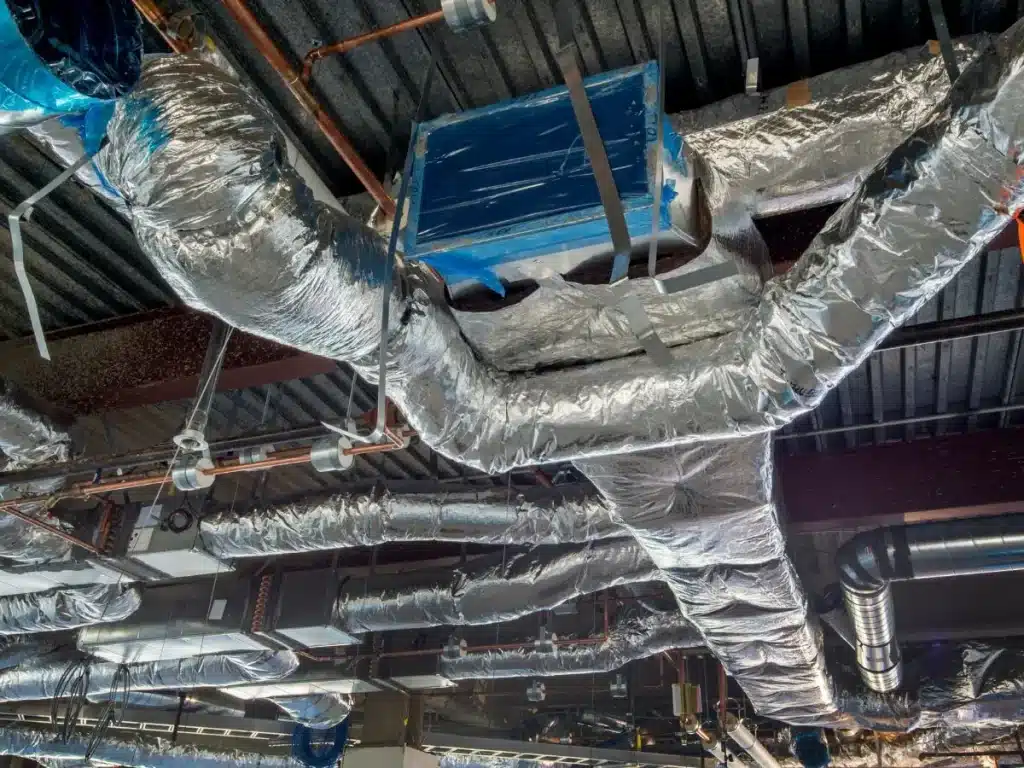
Air duct insulation wrap is a protective material that covers your HVAC ductwork. Think of it like a cozy jacket for your ducts. It keeps the air inside at the temperature you want it. These air duct insulation wraps come in different materials and thicknesses designed for specific situations.
Most air duct insulation wraps feature a reflective outer layer and a core. The reflective surface reflects heat while the core prevents heat transfer. You’ll find them in rolls or pre-cut sections that fit standard duct sizes. Professional installers secure them with special tape, ensuring no gaps exist.
Why Your Ducts Need Proper Insulation
Here’s the reality. Uninsulated ducts lose 25-40% of the energy your HVAC system produces. That’s like throwing money out the window every single day. When ducts run through unconditioned spaces, they face extreme temperatures that work against your system.
Cold air traveling through a hot attic heats up before reaching your rooms. Warm air passing through a freezing crawlspace cools down rapidly. Your HVAC unit runs longer cycles to compensate for these losses. This extra work increases wear on components and shortens equipment lifespan significantly.
How Air Duct Insulation Wrap Saves Energy
Installing air duct insulation wrap directly impacts your monthly utility expenses. We’ve seen homeowners reduce their energy bills by 20-30% after proper duct insulation. The air duct insulation wrap maintains a consistent air temperature throughout the entire system. Your HVAC equipment cycles less frequently because it’s not fighting constant temperature loss.
The energy savings add up fast over time. Most homeowners recover their insulation investment within 2-3 years through lower bills. Plus, your home reaches comfortable temperatures faster and maintains them more easily. This efficiency translates to real dollars back in your pocket each month.
Reducing Heat Loss in Winter
Winter creates serious challenges for uninsulated ductwork in cold spaces. Heated air loses temperature quickly as it travels through freezing attics or crawlspaces. Air duct insulation wrap forms a thermal barrier that traps warmth inside the ducts. Your furnace doesn’t need to work overtime pushing out more heat.
The wrap prevents condensation from forming on cold duct surfaces, too. This moisture can lead to mold growth and duct deterioration over time. Keeping ducts warm and dry protects both your system and indoor air quality.
Preventing Heat Gain in Summer
Summer heat turns attics into ovens that can reach 150 degrees. Cool air traveling through these spaces warms up before it reaches your living areas. Air duct insulation wrap reflects that intense heat away from your ductwork. The cool air stays cool during its journey through your home.
This protection means your air conditioner cycles less to maintain set temperatures. Less cycling equals lower electric bills and reduced strain on your AC components. Your system lasts longer and runs more efficiently throughout those hot summer months.
Types of Duct Insulation Materials Available
Different situations call for different insulation materials. Let’s look at your main options and what works best for each scenario:
- Fiberglass duct wrap: Most common choice, offering good thermal resistance and affordability
- Foam board: Rigid panels that provide excellent R-value in tight spaces
- Reflective foil: Lightweight option perfect for attics with extreme heat
- Bubble wrap: Budget-friendly solution combining air pockets with reflective surfaces
Each material comes with different R-values, measuring effectiveness. Higher R-values mean better temperature protection for your ductwork. Climate, duct location, and budget all influence which material makes sense for your specific needs. Most professionals recommend R-6 to R-8 for unconditioned spaces.
Common Signs Your Ducts Need Insulation
Pay attention to these warning signs that indicate your ducts need better insulation. Uneven temperatures between rooms suggest air is losing temperature during distribution. If some rooms never get comfortable, no matter how long the system runs, check your ductwork.
High utility bills compared to similar homes often point to duct energy loss. Visible condensation or moisture on exposed ducts means insulation is missing or inadequate. Excessive dust in your home can indicate leaky, uninsulated ducts pulling in contaminants. Strange noises from ductwork might signal temperature-related expansion and contraction issues.

Installing Air Duct Insulation Wrap the Right Way
Proper installation makes all the difference in performance and longevity. The process starts with cleaning duct surfaces to ensure good adhesion. Professional installers measure each section carefully and cut materials to exact specifications. They wrap ducts snugly without compressing the insulation material.
All seams get sealed with specialized foil tape rated for HVAC applications. Regular duct tape breaks down quickly under temperature changes. Joints and connections receive extra attention because they’re common spots for air leakage. Quality installation includes securing the air duct insulation wrap so it doesn’t sag or pull away over time.
Trust the Professionals for Best Results
Look, we get it. You might be tempted to tackle this project yourself. But air duct insulation wrap installation requires specific knowledge and tools for optimal results. Professionals understand building codes and proper R-values for your climate zone. They spot potential problems like damaged ducts or air leaks during installation.
Expert installers complete the job faster and guarantee their work. They ensure proper vapor barriers in moisture-prone areas and maintain required clearances around heat sources. Most importantly, they verify your entire system works efficiently after wrapping. The investment in professional installation pays off through maximum energy savings and peace of mind.
Frequently Asked Questions
Q: What's the difference between foil insulation and fiberglass duct wrap for HVAC systems?
A: Foil features a reflective aluminum foil surface with bubble or foam core material. It works great in hot attics by reflecting radiant heat away from ductwork. Fiberglass duct wrap offers thicker thermal insulation with better overall R-value ratings. Many professionals prefer fiberglass for cold climates and basements. Reflective foil excels in spaces with extreme temperature swings. Some installers combine both for maximum protection. Your climate and duct location determine which material performs best.
Q: Can I use HVAC duct insulation wrap on water pipes, too?
A: While you can, water pipe insulation is specifically designed for plumbing applications. HVAC duct wrap doesn’t handle moisture and condensation like dedicated pipe insulation. Water pipes need materials that resist corrosion and prevent freezing. For outdoor water pipes, use weatherproof pipe insulation rated for your climate. Bubble wrap works for some indoor pipes, but it isn’t ideal. Stick with purpose-made water pipe insulation for the best results and longer lifespan.
Q: How much HVAC duct insulation wrap do I need for 200 sq ft of ductwork?
A: Calculating coverage depends on duct diameter and wrap width. A 200 sq ft ductwork system typically needs one or two rolls of standard insulation. Most rolls cover 75-100 square feet, depending on thickness. Measure your duct length and diameter to get accurate square footage. Add 10-15% extra material for overlaps and waste. Professional installers can calculate the exact needs during assessment. Buying slightly more ensures you don’t run short mid-project.
Q: What type of tape should I use to seal duct wrap insulation?
A: Always use specialized foil tape or HVAC tape rated for temperature extremes. Regular duct tape fails quickly under heating and cooling cycles. Foil tape features an aggressive adhesive that bonds to reflective surfaces permanently. Look for products meeting ASTM standards for duct sealing applications. Some installers prefer aluminum foil tape with acrylic adhesive for flexibility. The tape must handle your climate’s temperature range without losing adhesive strength.
Q: Should I insulate my outdoor HVAC unit or exposed ductwork?
A: Outdoor AC units don’t need insulation, but exposed ductwork definitely does. Any ductwork running outside requires weatherproof wrap rated for outdoor use. Look for materials with UV protection and moisture barriers. Outdoor installations face rain, humidity, and temperature extremes. Use corrosion-resistant fasteners and weatherproof tape for all connections. Flexible insulation works well for oddly shaped outdoor duct runs. Proper outdoor insulation prevents major efficiency losses.