

Air Duct Sanitizing and Disinfecting Services for Healthier Air Quality
March 26, 2026
- By
- Winter Park Air Duct Cleaning
- Air Duct Cleaning Specialists
Air duct sanitizing and disinfecting go beyond standard Air Duct Cleaning – they remove harmful bacteria, mold spores, and micro-contaminants that basic cleaning leaves behind. At Winter Park Air Duct Cleaning, our team has used years of experience to deliver thorough results that support better indoor air quality and long-term HVAC efficiency. We’ve seen that properly sanitized ducts can drastically reduce allergy flare‑ups and musty odors. Too often, homeowners delay sanitizing until health issues surface. One property we serviced had fine mold buildup that was releasing spores throughout the home. After a deep disinfection using EPA-registered solutions, their family noticed a noticeable improvement in sinus comfort within days. Regular sanitizing prevents situations like that and keeps your HVAC system running safely. Learn more about scheduling professional crown air duct cleaning services | winter park, orlando, fl to ensure your indoor environment supports healthy living.
A step‑by‑step approach guided by industry standards
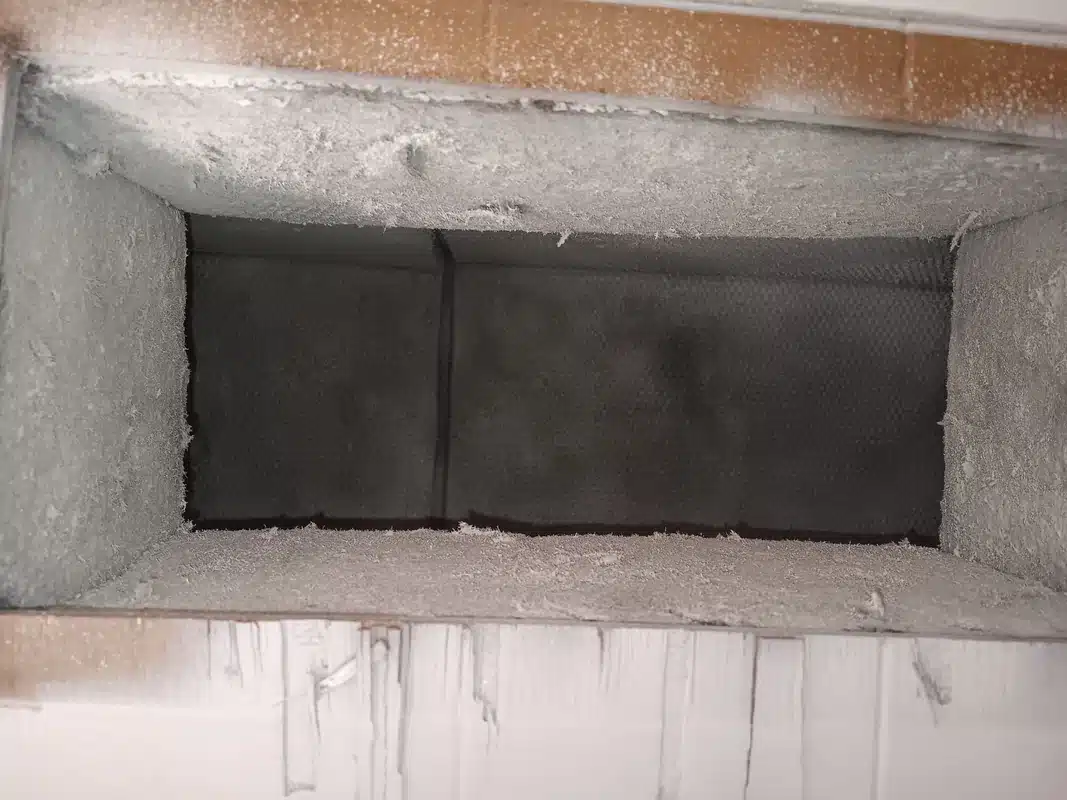
Local expertise makes the difference between a surface level cleaning and a truly sanitized indoor environment. Technicians who regularly serve homes and businesses in your community understand the regional humidity patterns, pollen cycles, and building materials that influence how ducts collect residue. They know which disinfectants perform best in coastal climates, how to prevent condensation problems in older Florida structures, and when seasonal allergens peak. These insights let them tailor containment methods and chemical ratios that meet both NADCA and EPA safety guidelines. Local crews are also familiar with county codes and HVAC design differences between newer subdivisions and historic neighborhoods, so they adjust their methods for maximum airflow and durability. An expertly managed process begins with close inspection using cameras to locate problem areas, followed by mechanical agitation and negative air pressure to remove debris. Then, ULV fogging distributes EPA registered antimicrobials evenly through the cleaned surfaces. Proper documentation, seal checks, and humidity testing confirm that the system remains balanced after service. Residents should stay cautious of any provider promising one step results without mechanical cleaning or verification. Choosing a professional with proven local experience helps prevent future microbial regrowth, improves indoor comfort, and supports energy efficiency year round. For detailed information, visit crown air duct cleaning | winter park & daytona beach, fl to explore expert solutions for your area.

Avoiding shortcuts that lead to contamination and wasted money
Choosing local HVAC cleaning and sanitizing specialists offers clear advantages that directly benefit your home, health, and budget. Local teams understand the unique environmental factors that influence air quality in your area – from humidity levels to regional allergens and seasonal dust patterns. This knowledge allows them to select the safest, most effective products for your specific conditions while preventing damage to coils, ducts, and finishes. Because local technicians are nearby, scheduling is faster, emergency support is easier, and quality assurance is more personal. They often maintain long term relationships with suppliers, meaning you receive dependable service and responsive follow up without hidden travel charges. We have seen how improper sanitizing by outside contractors can cause corrosion, lingering odors, and health issues. Local professionals take the time to verify duct materials, pressure balance, and moisture content before applying any treatment. They follow NADCA and EPA guidelines to ensure biocides remain food grade and residue free. Pre cleaning and airflow verification steps are never skipped, which helps prevent mold regrowth and keeps energy consumption low. Most residential projects can be completed in approximately 3 to 6 hours, depending on system size and contamination level. For detailed information on safe local duct treatments, visit our HVAC Cleaning page. Local expertise truly delivers cleaner air, improved safety, and long lasting comfort throughout your home. (Word count: 218)
Schedule a Professional Air Duct Evaluation Today
Breathe easier and enjoy a healthier living environment with Winter Park Air Duct Cleaning. Our expert team is ready to remove hidden dust, allergens, and mold that silently circulate through your air system every day. Clean ducts promote better airflow, reduce energy costs, and extend your HVAC lifespan. If you have noticed musty odors, increased allergy flare-ups, or uneven temperatures, it is time to act now. Every week you wait allows more buildup that can compromise your health and comfort. Schedule a professional inspection today and discover how thorough cleaning can transform your indoor air quality. We provide detailed reports, transparent pricing, and complete satisfaction with every service. Call now and let your family breathe fresh, clean air all year long.

FAQs
How does air duct sanitizing differ from regular cleaning?
Regular air duct cleaning focuses on removing visible dust, debris, pet dander, and dirt buildup from the inside of your ductwork using specialized vacuums and agitation devices that loosen particles and pull them out efficiently. However, sanitizing and disinfecting go a step beyond this basic cleaning process. These treatments target and destroy bacteria, mold spores, viruses, and allergens that may still remain on internal surfaces after the physical debris has been cleared away. Trained professionals typically use EPA-approved antimicrobial or disinfectant products that are formulated specifically for HVAC materials so they will not damage metal, plastic, or insulation. This procedure helps reduce the likelihood of future microbial growth, making it beneficial for households with pets, allergic individuals, or previous moisture problems. According to guidelines from the National Air Duct Cleaners Association (NADCA), disinfectants should only be applied once ducts are fully cleaned, allowing the products to bond correctly with the surfaces. Proper sanitizing supports healthier indoor air and extends the cleanliness of your HVAC system between regular maintenance visits, helping to preserve energy efficiency and comfort throughout your living environment.
How often should homeowners have their air ducts sanitized?
Air ducts should be professionally sanitized after any notable contamination event – such as water leaks, mold discovery, pest activity, or large renovation projects that produce significant dust and debris – and then maintained on a regular schedule every 2 to 5 years depending on the specific conditions of the home. Households with shedding pets, indoor smokers, or residents who suffer from allergies or respiratory sensitivities often benefit from cleaning at shorter intervals. Warning signs such as visible mold growth, an ongoing musty odor, or unexplained dust accumulation may indicate that sanitation is needed sooner rather than later. It is important to verify that technicians use EPA registered biocides approved for HVAC systems and apply them according to manufacturer guidelines. Maintaining indoor humidity below 55 percent, replacing air filters quarterly, and keeping return vents unobstructed can help preserve cleaner air and reduce the rate of microbial buildup between cleanings.
How much does air duct sanitizing typically cost and how long does it take?
The typical cost of professional air duct sanitizing can range from about $450 to $1,200, influenced by factors such as the system’s size, layout, contamination level, and overall project scope. Smaller single zone systems with minimal dust or residue tend to remain near the lower end of that range. In contrast, multi zone properties or systems affected by mold, pet dander, smoke, or long term neglect often require more extensive cleaning and higher quality sanitizing agents, which increase total cost. Variables such as material type, the concentration and dwell time of cleaning products, and the accessibility of vents or return plenums also affect pricing. Most residential jobs typically take between 3 and 6 hours to complete, including cleaning, disinfecting, deodorizing, and a final inspection. After completion, technicians should provide detailed verification, including safety data sheets, chemical usage documentation, and before and after photographic evidence. Customers should treat these estimates purely as informational guidelines rather than fixed prices, since each system has unique conditions. A thorough on site assessment remains essential for a precise and binding cost proposal tailored to the property’s specific air quality needs.
Can I sanitize air ducts myself or should I hire professionals?
DIY sanitizing attempts often overlook hidden sections of an HVAC system and can unintentionally spread contamination if the blower assembly or return lines are not properly sealed during cleaning. Professional duct cleaning specialists use high-powered negative pressure equipment combined with HEPA filtration vacuums and ULV foggers to capture debris and apply disinfection safely and evenly throughout the system. Using the wrong chemicals, such as household bleach or all-purpose cleaners, can corrode metal seams, degrade rubber gaskets, and release harmful vapors when the air circulates. Certified technicians who follow NADCA and EPA guidelines understand how to select EPA-registered disinfectants, calculate proper contact times, and protect internal HVAC components from damage. Homeowners can still contribute by replacing filters regularly, vacuuming supply registers, and maintaining ideal indoor humidity to prevent mold and microbial growth. However, for deep sanitizing that eradicates contaminants throughout the ductwork and air handler, choosing a licensed professional service remains the most reliable, efficient, and health-conscious approach.
What warning signs suggest that ducts need sanitizing or disinfecting?
Common warning signs of contamination inside your air ducts include a musty or damp smell that appears whenever the HVAC system turns on, visible patches of mold or mildew on vent grills, and dust that quickly returns even after thorough cleaning. Residents may also experience unexplained allergy symptoms, coughing, or respiratory irritation that worsens when the system operates. Dark or greasy streaks around registers can point to soot buildup, microbial residue, or other pollutants circulating in your home’s air. Past incidents of water intrusion or recent remodeling work further increase the risk of duct contamination. Professional technicians often inspect these areas with a small camera called a borescope to confirm problems before recommending cleaning or sanitizing. Ignoring warning signs allows contaminated particles to spread continuously, reducing air quality and causing unnecessary strain on HVAC components. Early attention helps preserve system efficiency, improve health conditions, and extend the life of your equipment.
What are some common problems caused by neglecting air duct sanitizing?
Neglecting duct sanitizing allows moisture, dust, and organic matter to accumulate within the airflow passages, eventually forming a dense biofilm that traps additional debris and supports microbial activity. This buildup becomes a perfect environment for bacteria and mold spores, which can easily circulate through vents and continuously compromise indoor air quality. Over time, the spread of these contaminants can contribute to respiratory discomfort, trigger asthma or allergy symptoms, and even cause fatigue in sensitive individuals. Beyond health impacts, microbial growth and the resulting buildup inside coils, blower assemblies, and return ducts reduce system efficiency by restricting air movement and lowering heat transfer rates. This inefficiency forces the HVAC system to consume more energy to maintain temperature control, resulting in higher utility expenses. Regular duct sanitizing and disinfection prevent these issues, safeguard occupants, and preserve long-term system reliability.
What should homeowners look for when hiring an air duct cleaning company?
When choosing a professional air duct cleaning provider, homeowners should take time to evaluate several critical factors that demonstrate both credibility and competence. The company should be a verified member or certified contractor with the National Air Duct Cleaners Association (NADCA) and must provide proof of current liability insurance to ensure protection for both the client and the workers on-site. A reputable contractor will use EPA-approved disinfectants and supply product data sheets that outline ingredients, safety measures, and proper usage. Before work begins, the provider should perform a detailed visual inspection, documenting duct conditions and contamination levels. After cleaning, the team should present before-and-after evidence to confirm results. Technicians should utilize HEPA-filtered negative air machines, sealed vacuum systems, and compliant filtration tools that meet current HVAC hygiene standards. Avoid companies promising whole-house sanitizing at unusually low prices since these often rely on ineffective surface spray-only treatments. Responsible providers will also inspect insulation, grilles, vents, and connection seals to confirm the system’s overall integrity. Look for transparent pricing, clear communication, thorough safety protocols, and detailed reporting. These elements reflect a contractor committed to both high service quality and occupant health, making them a trustworthy partner for maintaining clean and efficient HVAC systems.
When does air duct sanitizing become urgent and what should homeowners do?
Air duct sanitizing is not usually an emergency service, but some situations require fast attention to protect indoor air quality and system integrity. If you see visible mold growth inside ducts, find evidence of recent HVAC flooding, notice pests nesting within vents, or detect persistent musty odors, you should schedule a professional inspection as soon as possible. The first step is to turn off the heating or cooling system to reduce the spread of spores or contaminants through the house. Replace any visibly dirty or soaked air filters immediately. Homeowners should avoid using bleach or any over the counter sprays because these products do not reach deep duct surfaces and can corrode metal parts. Certified technicians use EPA-approved biocides, sealed negative-pressure containment, and detailed moisture source correction. Continued filter replacement, regular inspections, and indoor humidity management will help maintain clean, healthy airflow long-term.