
We get calls about common dryer vent issues almost every single day. Homeowners notice their clothes taking forever to dry. They feel heat building up in the laundry room. Some even smell something burning. These are all warning signs that something is wrong. The good news? Most of these problems are totally preventable. We have helped hundreds of families fix these exact situations. Let us walk you through what causes these issues and how to handle them properly.
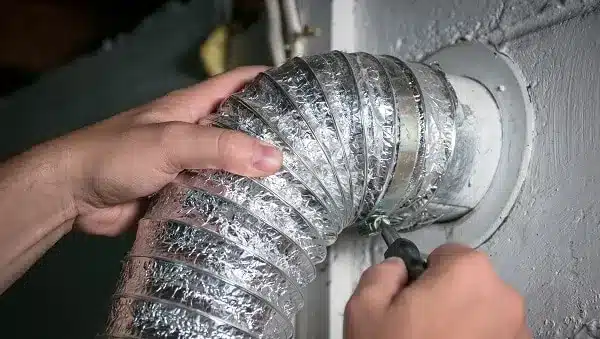
What Causes Common Dryer Vent Issues in Your Home
So what actually causes common dryer vent issues in the first place? It usually comes down to one thing: restricted airflow. Your machine pushes hot, moist air through the exhaust system. When that pathway gets blocked, everything starts going wrong.
The biggest culprit is debris accumulation over time. Every load of laundry releases tiny fibers into the system. These fibers stick to the walls of your ductwork. Over months and years, they build up into thick layers. We have pulled out clogs that completely sealed off the entire exhaust pathway. It happens more often than you would think.
Signs of a Clogged Dryer You Need to Know
Knowing the signs of a clogged dryer can save you from bigger headaches later. The most obvious sign is longer drying times. If your clothes need two or three cycles, something is blocking the airflow.
Another warning sign is excessive heat. Touch the top of your machine after a cycle. It should feel warm, not hot. If it is too hot to touch comfortably, that is a problem. We also tell people to check their laundry room temperature. A room that feels like a sauna means hot air is not escaping properly.
How Lint Buildup Creates Serious Duct Blockages
Lint is sneaky stuff. You clean the trap after every load like you should. But that only catches about 75% of the fibers. The rest travels into your exhaust system. It sticks to moisture on the duct walls and hardens over time.
We have seen ductwork that looked completely clear from the outside. But inside? Packed solid with years of buildup. This creates common dryer vent issues that most homeowners never see coming. The longer it sits, the harder it becomes to remove. Regular cleaning prevents this cycle from starting.

Common Dryer Vent Problems That Lead to Fire Risks
Here is the scary part about common dryer vent problems. They create real fire hazards in your home. Thousands of house fires start in laundry rooms every single year. Most of them trace back to clogged exhaust systems.
Think about it this way. Your machine generates serious heat to dry clothes. That heat needs somewhere to go. When the pathway is blocked, temperatures rise dangerously high. Add highly flammable lint into that equation. You have the perfect conditions for a fire to start. We take these situations very seriously for good reason.
Why Clothes Dryer Fires Happen More Than You Think
A clothes dryer fire can happen faster than most people realize. The National Fire Protection Association reports nearly 13,000 of these fires annually. That number always surprises homeowners we talk to.
Here is what typically happens. Lint accumulates near the heating element. The clog prevents proper ventilation. Temperatures climb higher and higher with each cycle. Eventually, the lint ignites. By the time you smell smoke, flames are already spreading. This is exactly why addressing common dryer vent issues matters so much.
How to Prevent Dryer Vent Clogs Before Trouble Starts
Preventing problems beats fixing them every single time. Here are some simple steps we recommend:
- Clean the lint trap before and after every load
- Check the exterior exhaust hood monthly for blockages
- Use rigid metal ductwork instead of flexible plastic
- Keep the area around your machine clear of debris
- Schedule professional cleaning at least once per year
These habits take just minutes but make a huge difference. We have seen homeowners go years without issues simply by staying consistent. Prevention really is the best approach to common dryer vent issues.
Keeping Your Vent System Clear Year-Round
Your vent system needs attention throughout the entire year. Different seasons bring different challenges. Birds love building nests in exhaust hoods during spring. Leaves and debris pile up during fall.
We recommend doing a quick visual inspection every month. Walk outside and look at where your exhaust exits. Make sure nothing is blocking the opening. Feel for airflow while your machine is running. You should feel steady, warm air pushing out. If the flow seems weak, that tells you a clog is forming somewhere.
When to Call a Professional Dryer Vent Cleaning Service
Sometimes DIY maintenance is not enough. A professional dryer vent cleaning service has specialized tools and training. They can reach deep into ductwork that you simply cannot access yourself.
We suggest calling a pro when you notice persistent warning signs. Clothes still damp after normal cycles? Burning smell that will not go away? Visible debris around the exhaust hood? These situations need expert attention. Professionals can also inspect for damage, kinks, or improper installation. These issues contribute to common dryer vent issues more than people realize.
Stay Safe by Addressing Common Dryer Vent Issues Early
Look, we understand that laundry room maintenance is not exciting. Nobody wakes up thinking about exhaust systems. But taking common dryer vent issues seriously protects your family and home. The risks are real, and the solutions are straightforward.
Stay on top of regular cleaning and watch for warning signs. Call a professional when something seems off. These simple steps keep your machine running efficiently and safely. Your home deserves that level of care. Trust us, spending a little time on prevention beats dealing with an emergency later.
Frequently Asked Questions
Q: How often should I have my exhaust system professionally cleaned?
A: Most households benefit from annual professional cleaning. However, larger families running multiple loads daily might need service every six months. The same goes for homes with longer duct runs or lots of bends in the system. Watch for warning signs between cleanings too.
Q: Can I clean my ductwork myself without professional help?
A: You can handle basic maintenance yourself with the right tools. A brush kit designed for this purpose works well for shorter runs. However, longer or more complex systems really need professional equipment. Pros have rotating brushes and powerful vacuums that reach areas you cannot.
Q: What type of ductwork material works best for preventing clogs?
A: Rigid metal ductwork is definitely the best choice. It has smooth interior walls that resist buildup. Flexible plastic or foil ducts have ridges that trap debris easily. If your home has flexible ducting, consider upgrading to rigid metal for better performance.
Q: How do I know if my exterior exhaust hood is working properly?
A: Go outside while your machine is running and check the hood. You should see the flap opening and feel warm air pushing out. If the flap stays closed or barely moves, airflow is restricted. Also check for bird nests, leaves, or other debris blocking the opening.
Q: Why does my laundry room get so hot during drying cycles?
A: Excessive heat usually means air is not escaping through the exhaust properly. The hot, moist air backs up into your laundry room instead. This is a clear sign of restricted airflow somewhere in the system. Address this quickly to prevent damage to your machine.
Q: Are certain homes more prone to these exhaust problems than others?
A: Yes, certain setups create more challenges. Homes with long duct runs face more buildup. Units installed far from exterior walls have the same issue. Ductwork with multiple bends also traps debris more easily. These homes need more frequent inspections and cleaning.