
Most homeowners forget about their dryer vents until something goes wrong. I get it. Out of sight, out of mind. But here’s what I’ve learned after years of helping people with this exact issue. Those hidden vents directly affect the air you breathe every single day. Lint, dust, and moisture build up over time. This creates problems you might not even notice at first. When you clean dryer vents properly, you protect both your home and your family’s health. Let me walk you through everything you need to know.
Why You Need to Clean Your Dryer Vent Regularly
Think about how much laundry your household does each week. Every load sends tiny fibers through your system. The lint trap catches most of it, but not everything. The rest travels into your vent and builds up slowly.
I’ve pulled clumps of lint from vents that would shock you. Some looked like they hadn’t been touched in years. This buildup restricts airflow and makes your machine work harder. Your energy bills go up. Your clothes take longer to dry. Worst case? You’re looking at a fire hazard. When you clean dryer vents on schedule, you avoid all these headaches completely.
How Dirty Dryer Vent Ducts Affect Indoor Air Quality
Here’s something people don’t always connect. Your dryer vent duct pushes air outside your home. When it’s clogged, that air doesn’t escape properly. Instead, it backs up and releases particles into your living space.
I’ve worked with families who couldn’t figure out why their allergies got worse. Turns out, their dirty vent was the culprit. Lint carries dust mites, pet dander, and other irritants. A blocked dryer vent duct circulates these throughout your home. Getting your dryer vent cleaned makes a noticeable difference in air freshness.
The Hidden Allergens Inside Your Vent Duct
Moisture is another big concern with clogged systems. When hot, humid air can’t escape, it creates the perfect environment for mold. I’ve seen mold growing inside vent ducts that homeowners had no idea about.
This mold releases spores directly into your home’s air. People with asthma or respiratory issues feel this impact immediately. Even healthy individuals might experience headaches or congestion. When you clean the inside of your vent system, you eliminate these hidden threats. Regular maintenance keeps moisture from becoming a serious problem.
How Often to Clean Your Dryer Vent for Best Results
So how often should you tackle this task? Most experts recommend at least once per year. However, your situation might require more frequent attention. Large families doing daily laundry should consider cleaning every six months.
I always tell people to pay attention to their machines. Your dryer gives you clues when something’s wrong. If you notice any changes in performance, don’t wait for your annual cleaning. Getting your dryer vent cleaned promptly prevents minor issues from becoming expensive repairs. Prevention is always cheaper than fixing damage later.
How to Clean a Dryer Vent From Inside Your Home
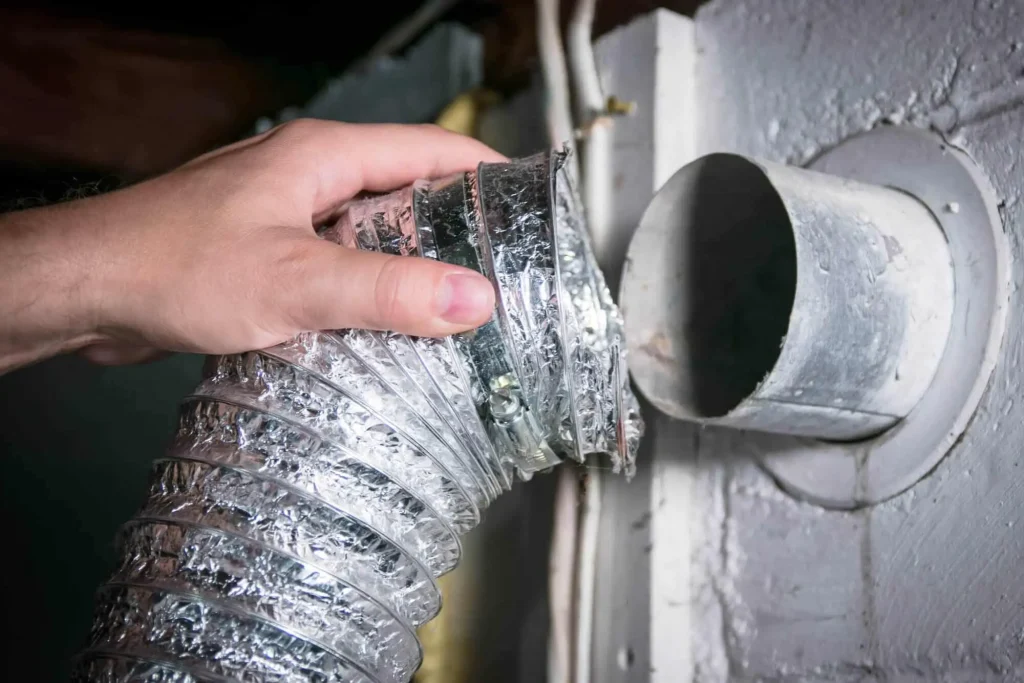
You can handle basic maintenance yourself with the right approach. Start by unplugging your machine completely. Safety first, always. Then disconnect the duct from the back of your unit.
Here’s what you’ll need for a basic cleaning:
- A vacuum with a hose attachment
- A dryer vent brush kit
- A flashlight to see inside
- Microfiber cloths for wiping down surfaces
Use your brush to clean a dryer vent from inside the opening. Push it through and pull back slowly. You’ll be amazed at what comes out. Vacuum everything thoroughly. Clean your dryer’s lint trap housing while you’re at it. This simple process improves airflow significantly.

When to Move the Dryer for a Deep Clean
Sometimes a surface cleaning isn’t enough. You need to move the dryer away from the wall for a proper deep clean. This gives you full access to the entire vent system.
I recommend doing this at least once every two years. When you move the dryer, check for any kinks or damage in the ductwork. Crushed sections restrict airflow just like lint buildup does. You can clean your dryer vent without moving it for routine maintenance. But that deep clean requires getting behind the machine. It’s worth the extra effort for complete peace of mind.
Warning Signs You Need to Clean Dryer Vents
Your machine communicates when it needs help. Learning these signals saves you time and money. Pay attention when your clothes take multiple cycles to dry. That’s usually the first warning sign.
Excessive heat is another red flag. If your laundry room feels unusually warm during cycles, airflow is restricted. A burning smell means the lint is getting too hot. This is serious, so address it immediately. The outside vent flap should open when running. If it doesn’t move, you have a blockage. When you notice these signs, clean dryer vents right away.
Breathe Easier When You Clean Dryer Vents Regularly
Taking care of this simple maintenance task protects your entire household. Better air quality means fewer allergy symptoms and easier breathing. Your machine runs more efficiently, saving money on utilities.
I’ve helped countless homeowners improve their indoor environment with this one fix. It’s not complicated or expensive. You just need to make it a priority. Whether you handle it yourself or hire a professional, consistent care matters. When you clean dryer vents on a regular schedule, you create a healthier, safer home. Your family deserves that fresh, clean air every single day.
Frequently Asked Questions
Q: Can a clogged dryer vent really cause a house fire?
A: Absolutely. Lint is extremely flammable, and your dryer produces heat. When airflow gets restricted, temperatures rise dangerously high. The U.S. Fire Administration reports thousands of dryer fires annually. Most result from failure to clean vents properly. This is why regular maintenance matters so much. A few minutes of cleaning could prevent a devastating fire in your home.
Q: How do I know if my dryer vent goes to the roof or outside wall?
A: Check outside your home first. Look for a vent cover on an exterior wall near your laundry area. If you don’t see one, your vent likely goes through the roof. You can also trace the ductwork from behind your machine. Longer vent runs need more frequent cleaning since lint has further to travel before exiting.
Q: Is it worth hiring a professional to clean my dryer vent?
A: For most annual cleanings, DIY works fine. However, professionals are worth it for certain situations. If your vent runs through walls or the roof, experts have better tools. They can also identify damaged ductwork you might miss. I suggest professional cleaning every few years, even if you maintain it yourself.
Q: What type of dryer vent duct material works best?
A: Rigid metal ducts are the gold standard. They resist crushing, don’t sag, and clean easily. Flexible foil ducts work but tend to collect lint in their ridges. Avoid plastic or vinyl ducts entirely. These are fire hazards and against code in most areas. Upgrading your ductwork improves airflow and makes future cleaning much easier.
Q: Can I use a leaf blower to clean my dryer vent?
A: Some people try this method with mixed results. It can push loose lint out quickly. However, it won’t remove compacted buildup stuck to duct walls. You might also blow lint deeper into the system. A proper brush kit does a more thorough job. Combine brushing with vacuuming for the best results.
Q: Should I clean my dryer vent if I have a new home?
A: Yes, even new construction needs attention. Builders sometimes leave debris inside ductwork during installation. Sawdust, drywall dust, and other materials accumulate before you move in. I always recommend checking vents in new homes before using the machines. Starting with a clean system establishes a good baseline for future maintenance.